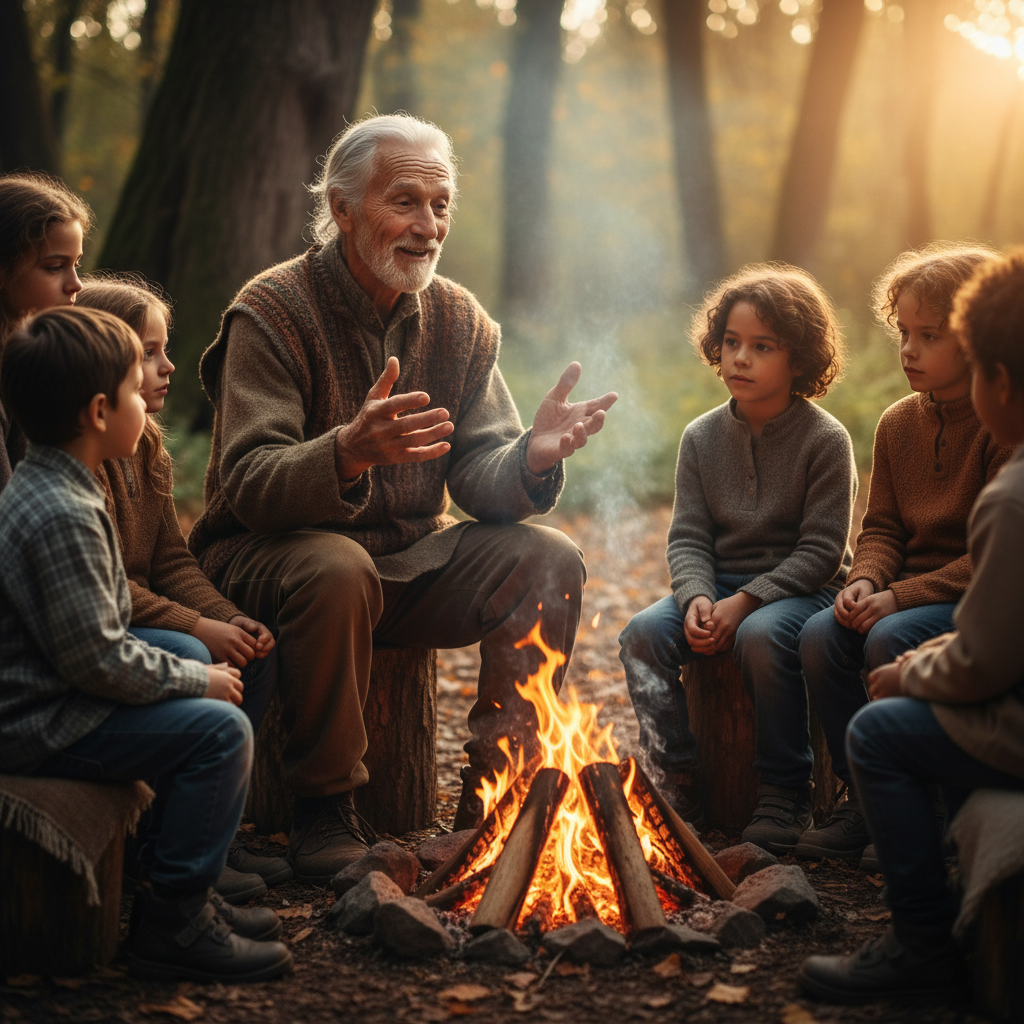
"Every language that dies takes a universe with it."
Igbo · Yoruba · Wolof · Tamazight · Khoisan · Lingala
The silence is already here.
Right now, as you read this, a grandmother who is the last fluent speaker of her mother tongue is drawing her last breath somewhere in the world. When she goes, her language — its proverbs, its songs, its way of naming the world — goes with her.
Languages at critical risk
Languages lost every month
Of all languages may vanish by 2100
Linguists estimate one language falls silent every two weeks. This is not a projection — it is a record.
Each scroll is a listening.
On the left, the last voice. On the right, the new one. This is not loss without answer — it is loss that called an answer into being.
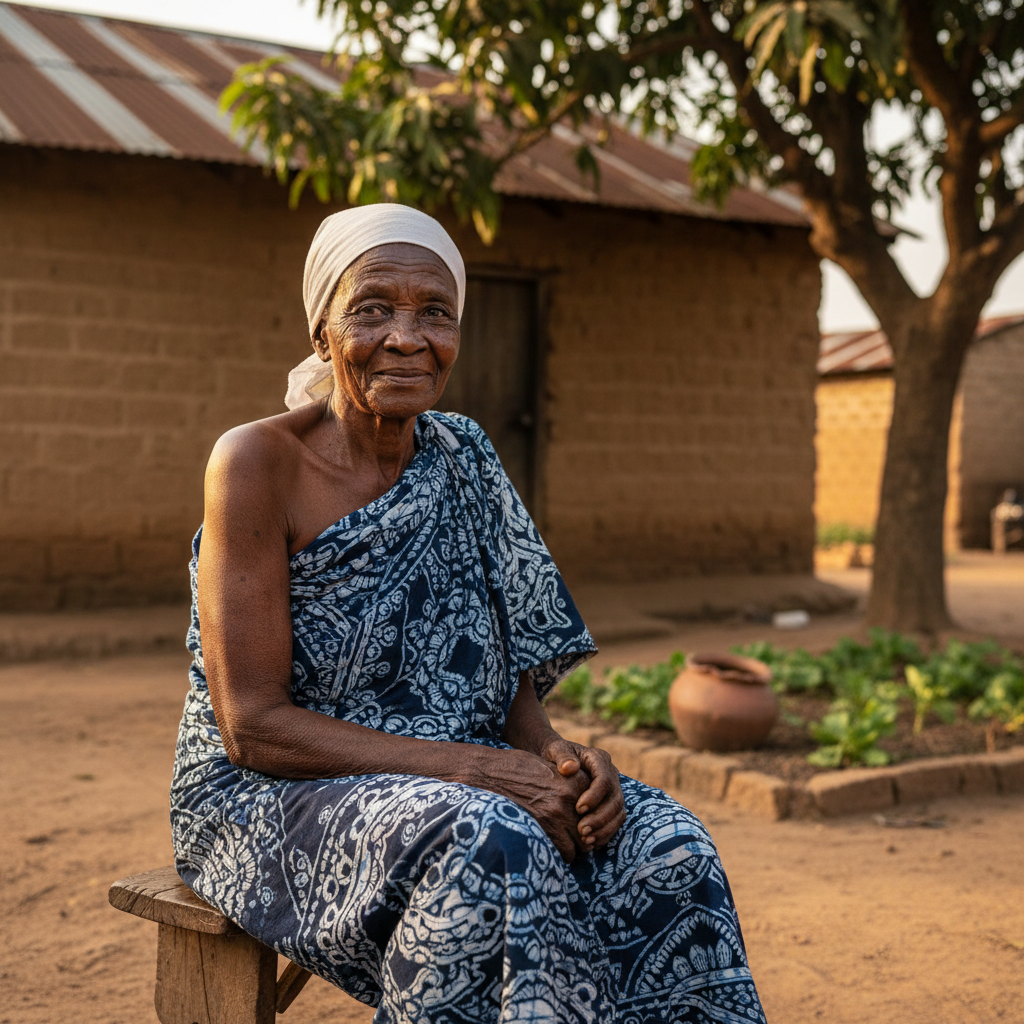
Adaeze, 91, is one of fewer than 200 fluent speakers of classical Igbo oral tradition left in Nsukka. Her memory holds 4,000 proverbs that exist nowhere in writing.
Adaeze Okonkwo, 91 — Nsukka, Enugu State

Her voice is now in the archive. Diaspora children in London, Houston, and Lagos are hearing her proverbs for the first time — learning the tongue their grandparents carried across an ocean.
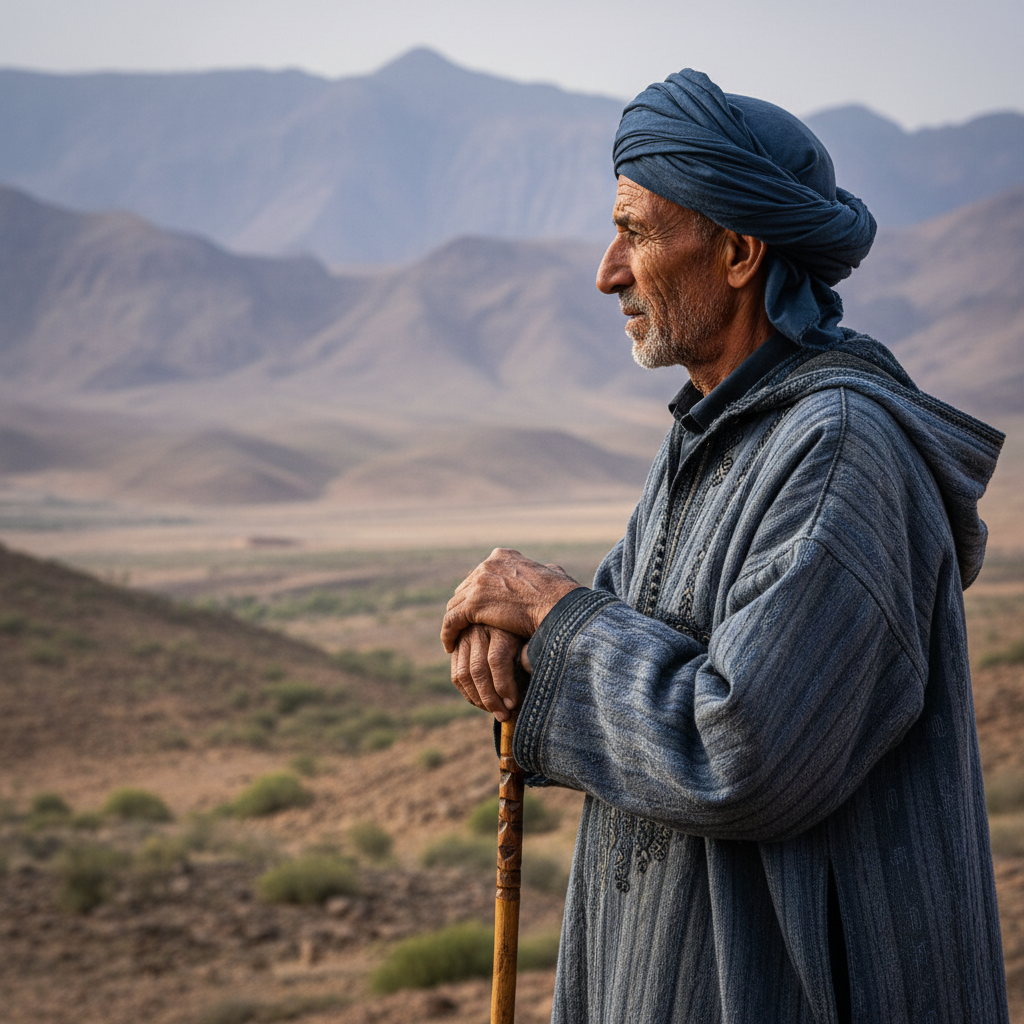
Idir, 84, is among the last speakers of Tachelhit Tamazight who can recite the full Aït Atta oral law from memory — a living legal code 800 years old, never transcribed.
Idir Ait Benhamed, 84 — Aït Benhaddou
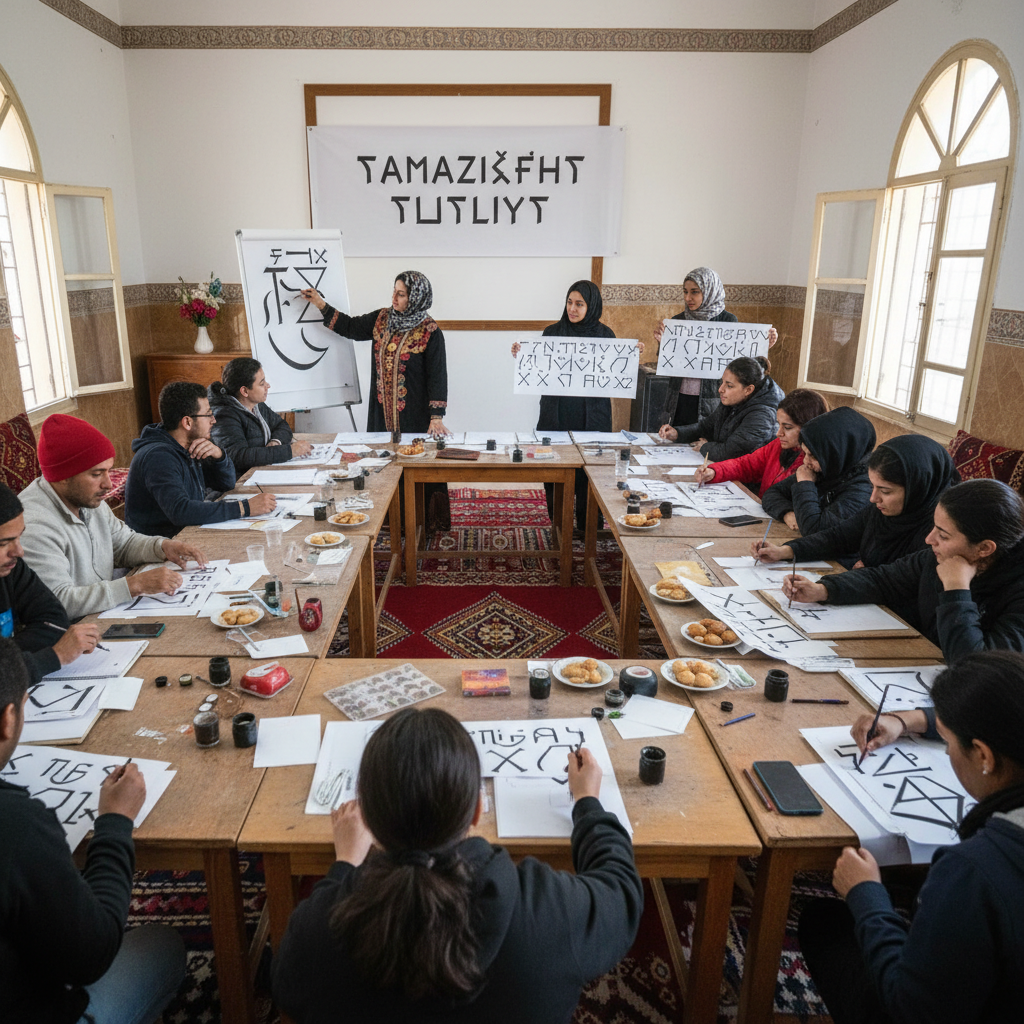
Tongue's interactive tone trainer, built with Idir's recordings, teaches the three distinct Tamazight pitch registers. 340 learners completed their first lesson this month.
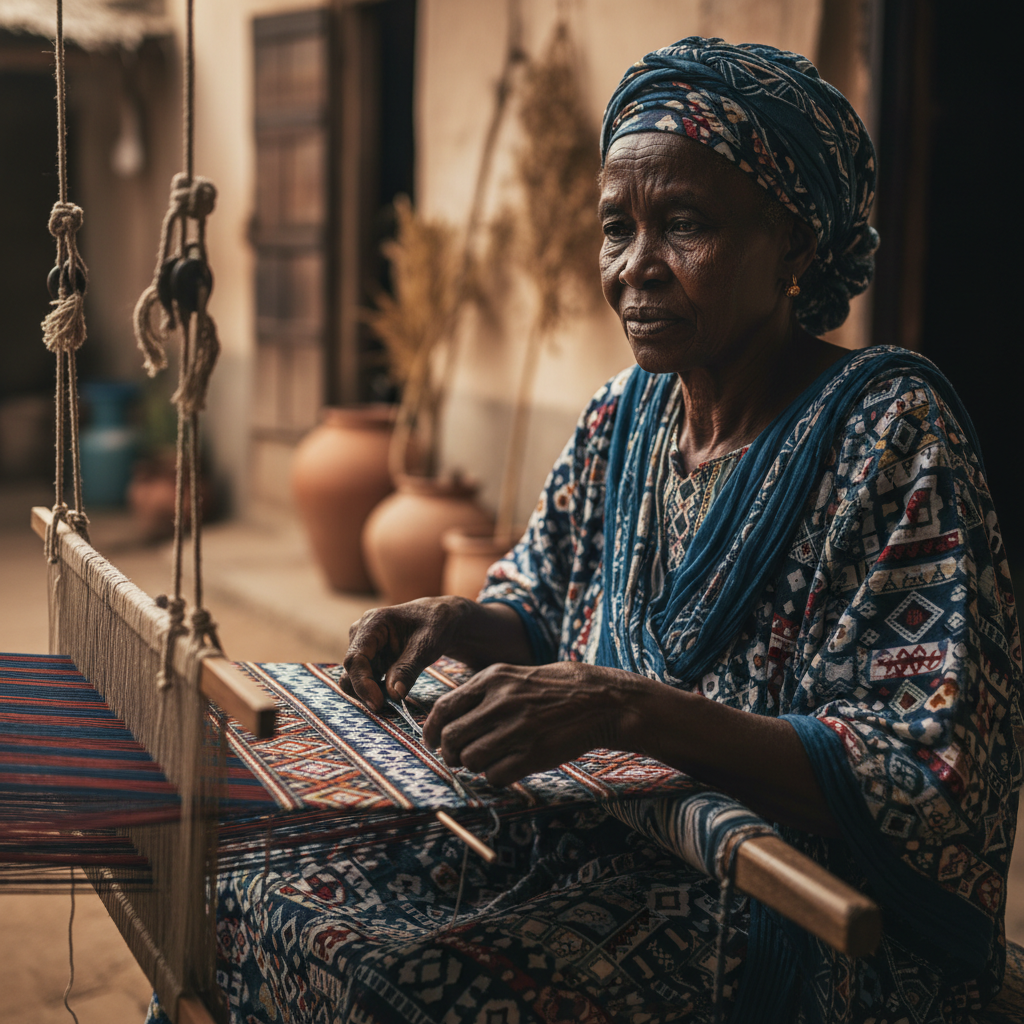
Fatou, 78, is a griot — a living library. Her Wolof children's stories, sung in call-and-response, are the only versions that carry the original Kaolack coastal dialect.
Fatou Diallo, 78 — Kaolack, Senegal

Fatou's stories are now animated, frame by frame, with her voice preserved at 48kHz. Primary school teachers in Dakar and Manchester are using them as first-reading materials.
Three ways to keep a language alive.
Tongue is not a database. It is a hearth — built for the people who need these languages to live inside them, not behind glass.
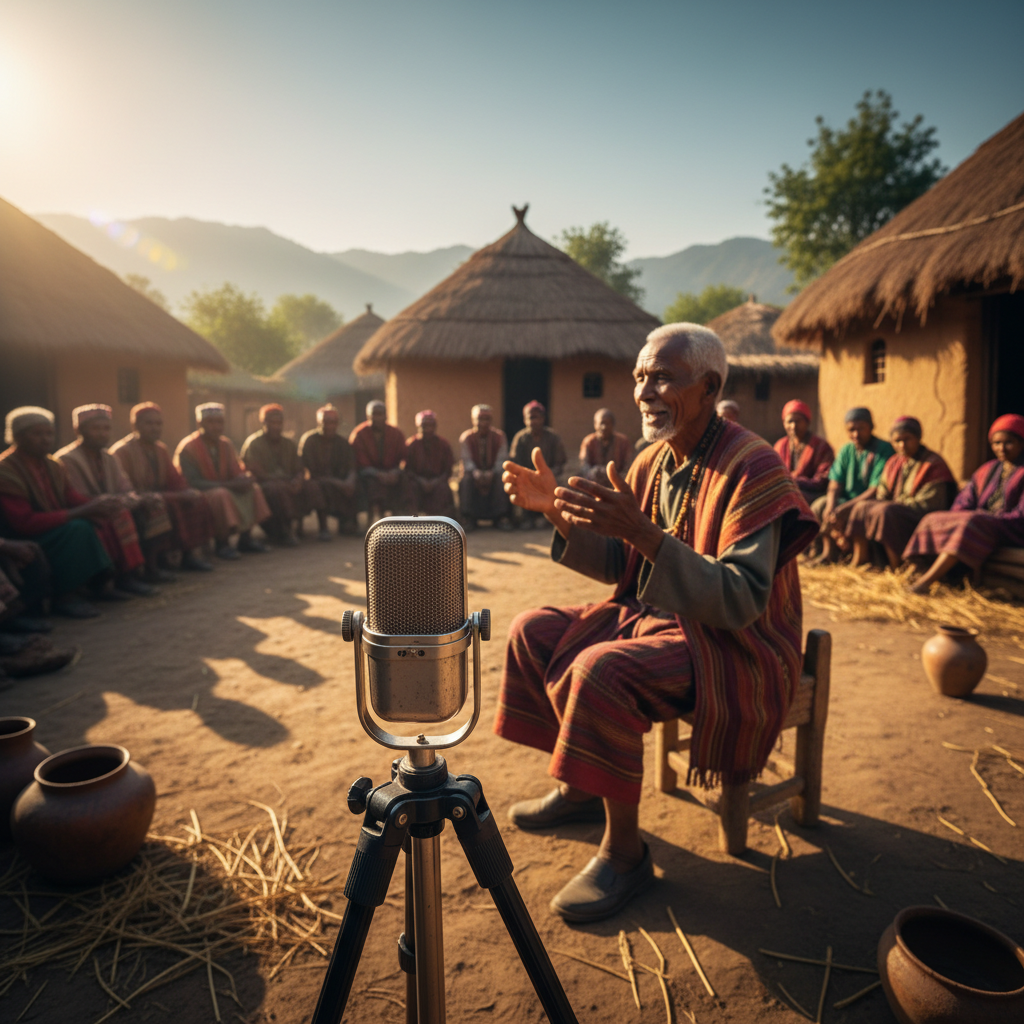
847 hours of elder voices, recorded in the field.
Every recording is timestamped, geo-tagged, and linked to the speaker's biography. Igbo proverbs, Lingala lullabies, Khoisan click sequences — searchable, streamable, downloadable under open license.
Interactive Yoruba & Tamazight pitch training.
Built with native speakers. Real-time pitch feedback. Works offline — for classrooms without reliable internet.
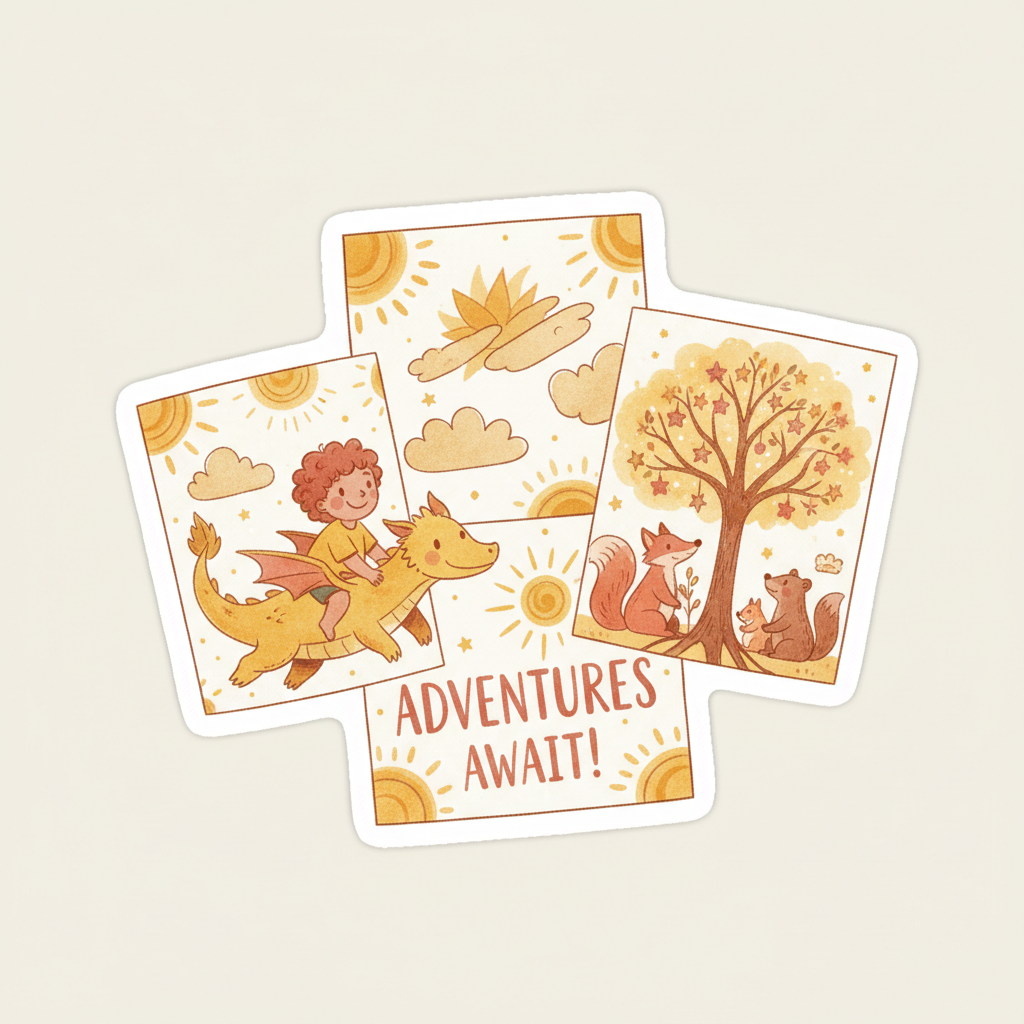
Wolof tales, animated frame by frame.
First-reading materials for mother-tongue classrooms. Downloadable PDFs, printable flashcards, animated videos.
documented and growing
of field recordings
across 34 countries
using Tongue in class
The people who need this most are already here.
"My daughter is six. She was born in Hackney and speaks English like it's the only language that ever existed. Three weeks ago she sang an Igbo counting song to my mother on a video call. My mother cried for ten minutes."

Chidinma Okafor
Parent · Hackney, London
"I've been documenting Nǀuu for eleven years. Last month I used Tongue's archive to cross-reference a click sequence I recorded in 2019 with an elder in the Northern Cape. The match confirmed a phonological shift no one had noticed. This is serious research infrastructure."
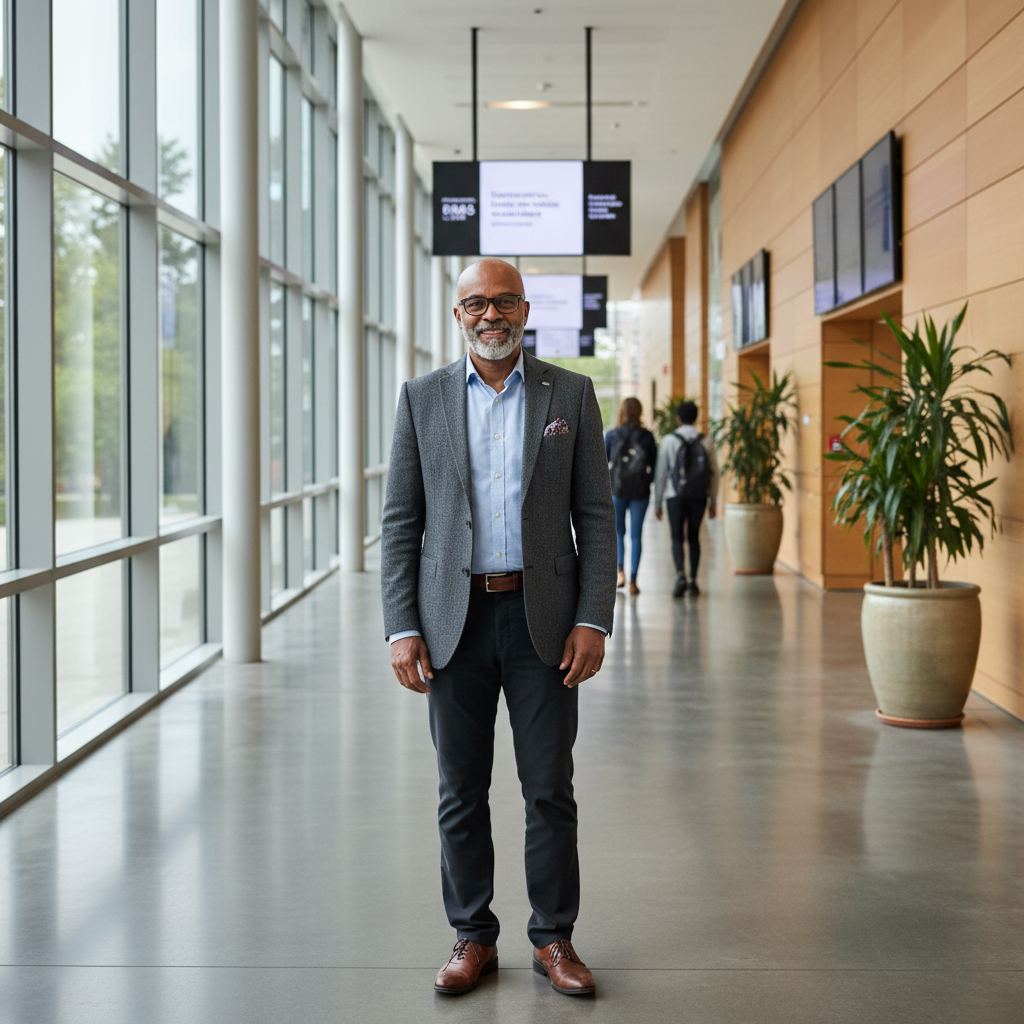
Dr. Sipho Ndlovu
Linguistic Anthropologist · University of Cape Town
"I teach Standard 3 in Dakar. Before Tongue, my students had no reading materials in Wolof. Everything was French. Now on Friday afternoons we read Fatou's stories together. The children know these are real words from a real grandmother who sounds like their own."
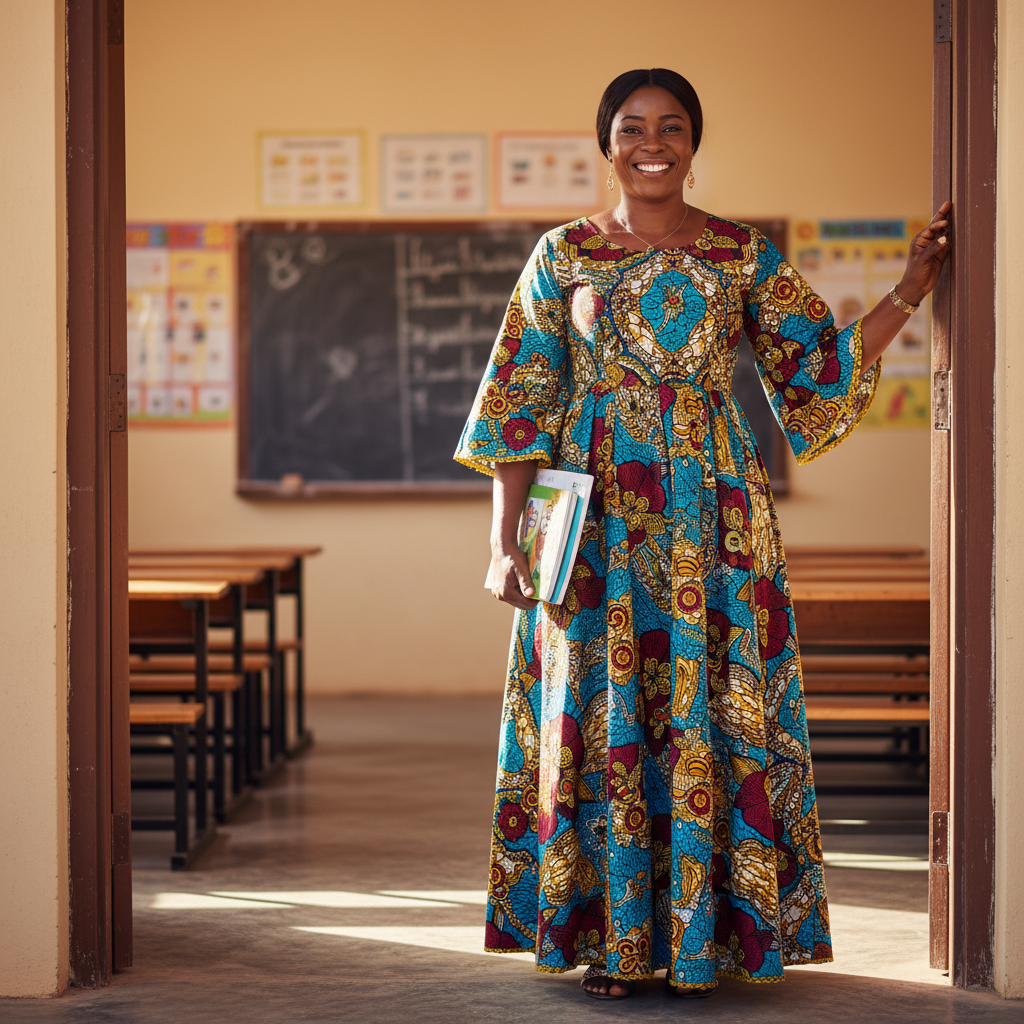
Mariama Diallo
Primary School Teacher · Dakar, Senegal
Adopt a language. Keep a universe alive.
Sponsoring a language means funding the field trips, the recording equipment, the linguist's time, and the animator's hands. Your name goes into the archive credits — a permanent part of the language's survival record.
Nǀuu
Northern Cape, South Africa
A Khoisan language with 112 distinct click consonants. The most phonologically complex language on earth, spoken by fewer people than fit in a minibus.
Olulumo-Ikom
Cross River, Nigeria
A Nigerian tonal language with a unique whistled register used for long-distance communication across the Cross River valleys.
Baka
Cameroon & Central African Republic
The language of the Baka forest people, carrying 50,000 years of ecological knowledge encoded in vocabulary for plants, animals, and seasons.
Siwi
Siwa Oasis, Egypt
A Berber language spoken only in the Siwa Oasis, at the edge of the Sahara. No standardized writing system exists. Everything lives in spoken memory.
Not ready to sponsor? The archive is free. Come in, listen, and let these languages live inside you for a while.
Explore the Living Archive